What Lock Rekeying Actually Does to Your Security
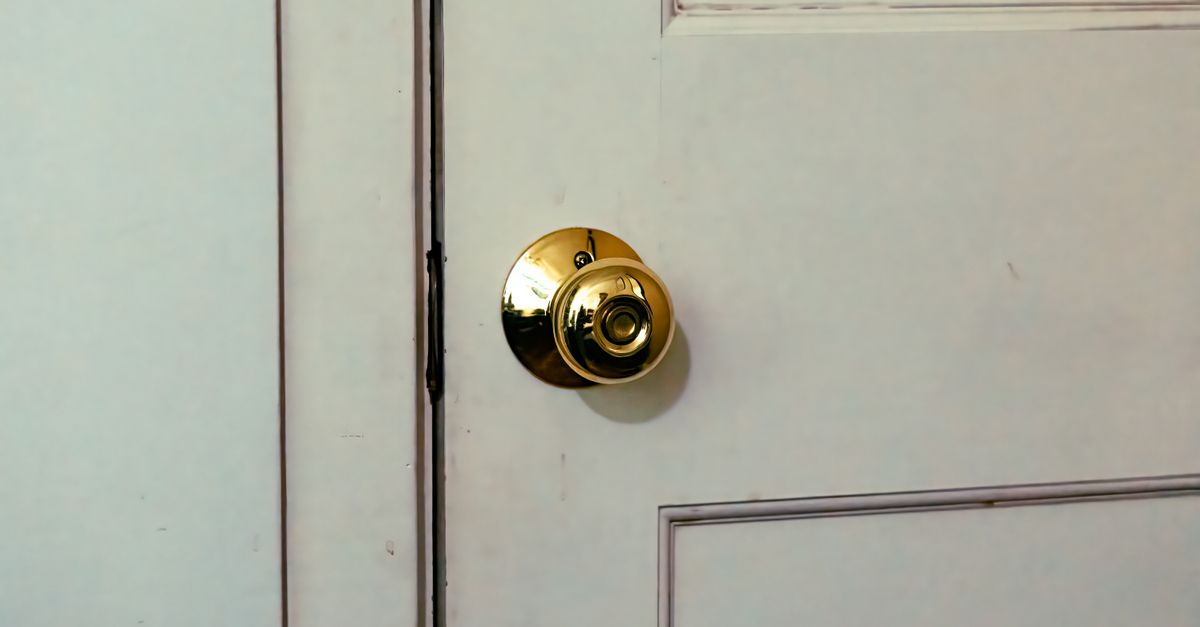
Inside every pin-tumbler lock — whether it's a Schlage deadbolt on your front door, a Kwikset knob on your back entry, or a mortise lock on a commercial suite — sits a stack of spring-loaded pins. Those pins are cut to match one specific key. Rekeying means a technician disassembles the cylinder, swaps out those pins for a new set, and reassembles everything so only a freshly cut key operates the lock. The door, the frame, the hardware finish, and the lock body itself stay exactly where they are. What changes is the internal combination — making every old key dead on arrival.
This matters enormously in practice. Lost keys can't be tracked. A key copied without your knowledge looks identical to the original. Rekeying eliminates that entire exposure in under an hour per door. It's the same principle a property manager uses between every tenant turnover on the apartment complexes along Ritchie Highway, and it's just as valid for a homeowner who wants peace of mind after a breakup, a burglary attempt, or simply a set of keys that vanished in a move.